Mud, Towels and Somewhere to Hang It: Inns That Take Wet Weather Properly
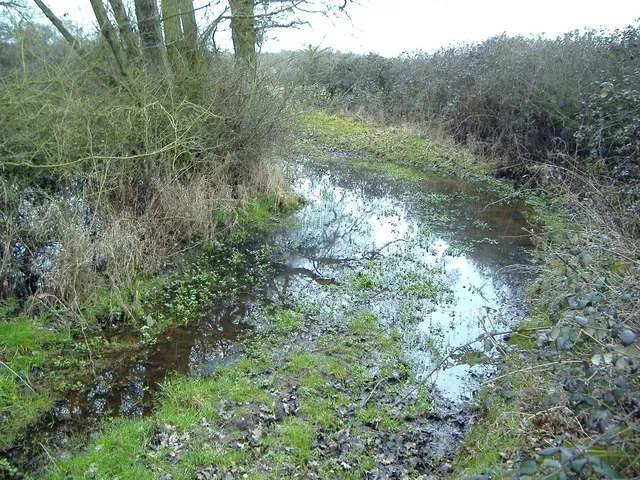
Photo: Mike Harris, CC BY-SA 2.0, via Wikimedia Commons
November in Britain does a specific thing to a walk. The path turns to soup somewhere after the second stile, the dog finds the only ditch on the moor, and your trousers develop a tide line at exactly knee height. What you want at the end of it isn't a spa. It's a warm room, a boot rack and permission to be wet indoors.
That's the boot room test, and it's the most reliable predictor we know of whether a hotel actually understands walkers — as opposed to merely tolerating them.
The test, briefly
Six things separate a genuinely wet-weather-friendly inn from one that just has a doormat with a picture of a dog on it:
- A drying room. Not a cupboard. A room with heat, airflow and a rack where four sets of waterproofs can dry overnight.
- A boot rack by the door, ideally within sight of the bar so nobody feels awkward about leaving kit out.
- Dog towels, stacked and clearly meant to be used, not hidden behind reception awaiting permission.
- Coat hooks at the entrance at a height that doesn't require contortion, plus somewhere to put the wet coat that isn't the back of a dining chair.
- A hose, a tap or a mud sink for the truly filthy items.
- A floor that forgives. Slate, stone, quarry tile. Anything that can be mopped without a scene.
Below are places we know for getting this right. Descriptions reflect what they do rather than what they charge; landlords, seasons and refurbishments change things, so ring before committing to a wet week.
The Woolpack, Hawes — Wensleydale
What's there: a proper drying room off the back corridor, with heated pipework, a slatted rack and enough hanging space that you're not playing waterproof Tetris with a stranger. Outside the door, a boot rack and a cold tap.
Why it matters: Hawes in November is not a place where you dry things on a radiator and hope. Coming off the path above Hardraw with everything soaked, the difference between a drying room and a radiator is the difference between walking the next day and spending it in yesterday's damp socks.
The Ship, Porlock — Exmoor
What's there: hooks by the entrance at the right height, a stone floor that has clearly seen worse, and a stack of dog towels by the door that nobody has to ask for. Boots live on a rack just inside the porch.
Why it matters: Exmoor mud is a different substance from lowland mud, and the coast path above Porlock Weir delivers you back to the village in a state that most hotels would rather not consider. The absence of fuss here is the point. You walk in wet, you are not made to feel like an incident.
The Crown, Askrigg — Wensleydale
What's there: a drying cupboard that's genuinely warm rather than decorative, and a utility sink round the back for the items you'd rather not put in a shared drying room. Maps and a torch by the door.
Why it matters: the sink is the underrated bit. There's a category of wet kit — gaiters, dog harnesses, the inside of a boot — that needs a rinse before it can be dried, and having somewhere sensible to do it saves an argument and a carpet.
The Black Bull, Sedbergh — Howgill Fells
What's there: a heated boot rack, an entrance lobby designed so that wet coats never cross the carpet, and drying available for residents over a multi-night stay.
Why it matters: Sedbergh is a walking town with a bookshop habit, and the inns there have had to solve this problem properly. The design detail — wet zone first, carpet second — is exactly the sort of thing that separates a hotel that hosts walkers from one that advertises to them.
The King's Head, Kirkby Stephen — Eden Valley
What's there: dog towels, a hose by the yard gate, and a bench outside the back door where muddy boots can be dealt with before they meet a floor.
Why it matters: the Coast to Coast passes through, and the establishment has clearly learned that a hose and thirty seconds of outdoor effort saves an entire evening of apology. Good for anyone arriving with a wet spaniel and a bad attitude.
The Old Crown, Buttermere — The Lakes
What's there: a boot room that is really a boot room — slate floor, drainage, racks, and a radiator you're actively encouraged to use. Somewhere to leave a wet rucksack overnight.
Why it matters: Buttermere in December is wet in a way that feels personal. The lake path delivers you back soaked through the shoulders, and having a room whose entire purpose is to deal with that is worth more than any amount of towel origami.
The questions to ask on the phone
Before you book a walking weekend between October and March, ask these four things. The speed of the answer tells you as much as the answer itself.
- Is there a drying room, and is it available to all residents or only some room types?
- Are dogs allowed in the bar as well as the bedrooms — and are towels provided?
- Can we leave muddy boots and coats somewhere overnight, and is it locked?
- What time does breakfast start, and can we get something to take out if we're leaving early?
The red flags
A hotel that asks you to leave wet coats in the car boot is telling you what it thinks of walkers. So is one where the only drying facility is 'the radiator in your room'. And so, gently, is one that advertises itself as walker-friendly but whose photos show cream carpet running the full length of the entrance hall.
The good ones don't make a performance of any of this. They just have the hooks, the heat and the hose — and a manner that suggests you turning up soaked is entirely normal, because in a British November it is.