The Lobby Is the Guide: Building a Car-Free Saturday from Notices and Natters
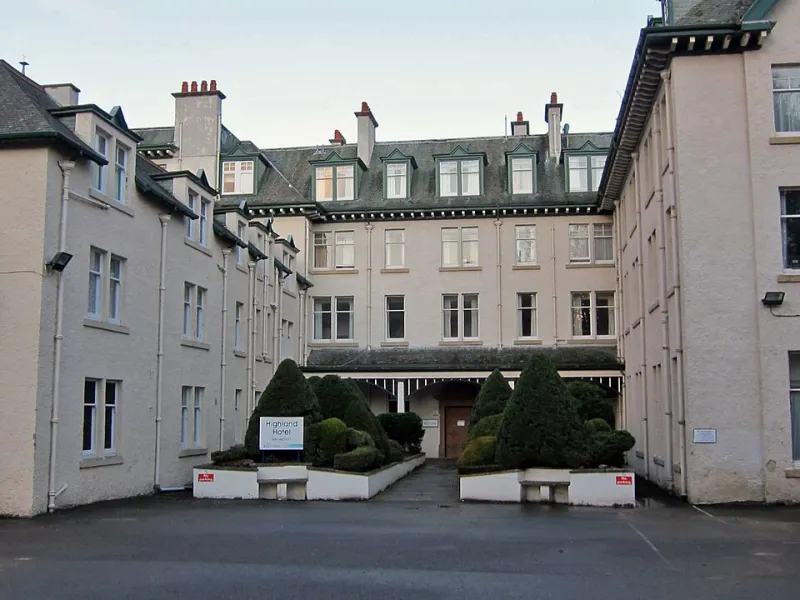
Photo: Richard Dorrell , CC BY-SA 2.0, via Wikimedia Commons
Search online for things to do in a British market town and you will get the same five results: the museum, the cathedral, the famous tearoom, the car park and a listicle written by someone who has never queued for the toilets. The hotel lobby is usually better. It is local, it is dated and it is covered in the sort of notices that tell you what is actually happening this Saturday, not what was popular three years ago.
Start with the Board, Not the Search Bar
Head for the noticeboard before you unpack. Look past the framed photos of the hotel's refurbishment and find the paper: the parish magazine, the market day sign, the bus timetable, the church concert flyer, the repair café poster, the auction notice, the guided walk that starts at the war memorial. Check the dates. A lot of leaflets linger long after the event. If something looks promising, photograph it and check the details with reception. Ask a simple question: is this still on? It saves a wasted walk.
A Walkable Market-Town Loop
A good car-free Saturday is a loop, not a list. Start with the market square before 10am, when stallholders are still setting out and the cafés have space. Walk the side streets rather than the main drag: the old coaching yard, the churchyard, the alley with the ironmonger, the river path if there is one. Aim for two miles, not ten. Build in a coffee stop and a bench. By late morning the market will be busy and the popular café will have a queue. That is the moment to take the quieter lane, look at the old shopfronts and let the town show you its edges.
The Leaflet Test
Not every recommendation is equal. Trust the handwritten notice for a church coffee morning more than the glossy leaflet for a attraction that pays to be in every rack in the county. Trust the venue's own timetable over a generic 'things to do' sheet. Staff recommendations are useful, but ask the right question. 'Where would you go on your day off?' gets a better answer than 'What should we do?' Ask what is closed, what is overrated and where the locals eat at lunchtime. If three members of staff say the same walk, believe them. If the noticeboard is full of last month's events, smile and ask behind the desk.
Wet-Weather Backups
British Saturdays have a habit of changing their mind. Have a backup within ten minutes' walk: the local museum, the library, the covered market, a church with a good roof, a pub with a fire or the small cinema that shows one film a week. Check Saturday opening hours before you rely on them. Ask reception whether the bus runs in the rain, whether the river path floods and whether there is a taxi number worth keeping. A car-free day is easier when you accept that the plan may shrink to one street, one lunch and one dry hour.
Meals and Last Buses
Timing is everything when you have no car. Eat breakfast at the hotel, even if it is not the most exciting meal of the day, because it buys you a calm start. Aim for lunch between 12 and 2, when kitchens are open and the market crowd is thinning. Book dinner or ask about walk-ins by 5pm. The last bus on a Saturday is often earlier than people expect, and it may not run at all on a Sunday. Check the return times before you set out, not after the second pint. Keep a taxi number in your pocket as insurance. If the town is holding a market or a festival, buses will be busy and the last one will be full.
Avoiding the Crush
Tourist crushes are predictable. They happen at the famous café at noon, the main attraction at 11am and the car park at 3pm. Go early or go late. Use the side streets. Ask staff which attraction is not worth the queue. Do not try to do three towns in one day. A single loop with a good lunch and a look at the church will beat a rushed tour of every 'must-see' in the county.
Back at the Hotel
When you get back, tell reception what worked. They will be pleased, and they will tell you something better for tomorrow. Pick up one leaflet for the next visit and leave the rest. The lobby is not a command centre; it is a conversation starter. Use it that way and a car-free Saturday starts to feel less like a logistics exercise and more like a day out.